Hangar Ledger
Aviation work in the United States, sorted by the certificate that allows it
Hangar Ledger maps pilot and mechanic certificates, flight schools, repair stations and the agencies that decide how United States aviation work is done.
Every page names the agency that holds the rule it describes and sends you to that page. Where the public record stops, the page says so instead of guessing.
- 22 pages
- 5 sections
- Updated
- By the Hangar Ledger editorial team
- contact@proaerobusiness.com

Before the first application
01 Where the work starts, and what it asks for
Aviation in the United States is a set of trades held together by paper. A pilot, a mechanic, a dispatcher and a line technician each hold something the others do not, and each of those things is issued, recorded and checked by name.
This site maps that paper.
Start with the two questions that decide everything else: which certificate you are aiming at, and which agency signs it.
Two ways in
02 Pilot or mechanic: the two routes most people weigh first
Most readers arrive with one of two questions. The first is how a person reaches a pilot certificate. The second is how a person reaches the aviation maintenance technician certificate, which carries the airframe and powerplant ratings and the right to return an aircraft to service.
-
 Pilot certificates and ratings A student certificate, then a private certificate, then the ratings and certificates that follow. Each step is signed by an instructor or an examiner.
 -
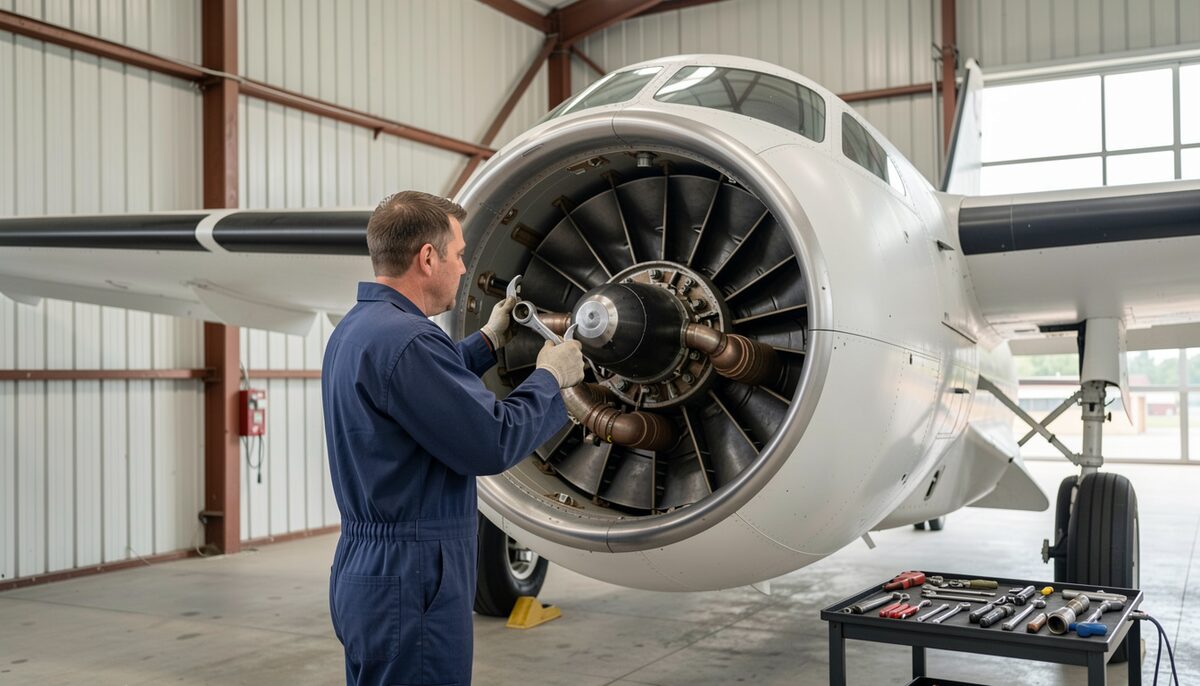 Aviation maintenance technician certificate The airframe and powerplant ratings, reached through an approved school or through documented experience, and kept current by the work itself.


Authorization
- Issued by
- Federal Aviation Administration
- Applies to
- Certificates and the ratings printed on them
- Check with
- www.faa.gov/
licenses_certificates
Between two flights
03 What happens to the aircraft when it is not flying
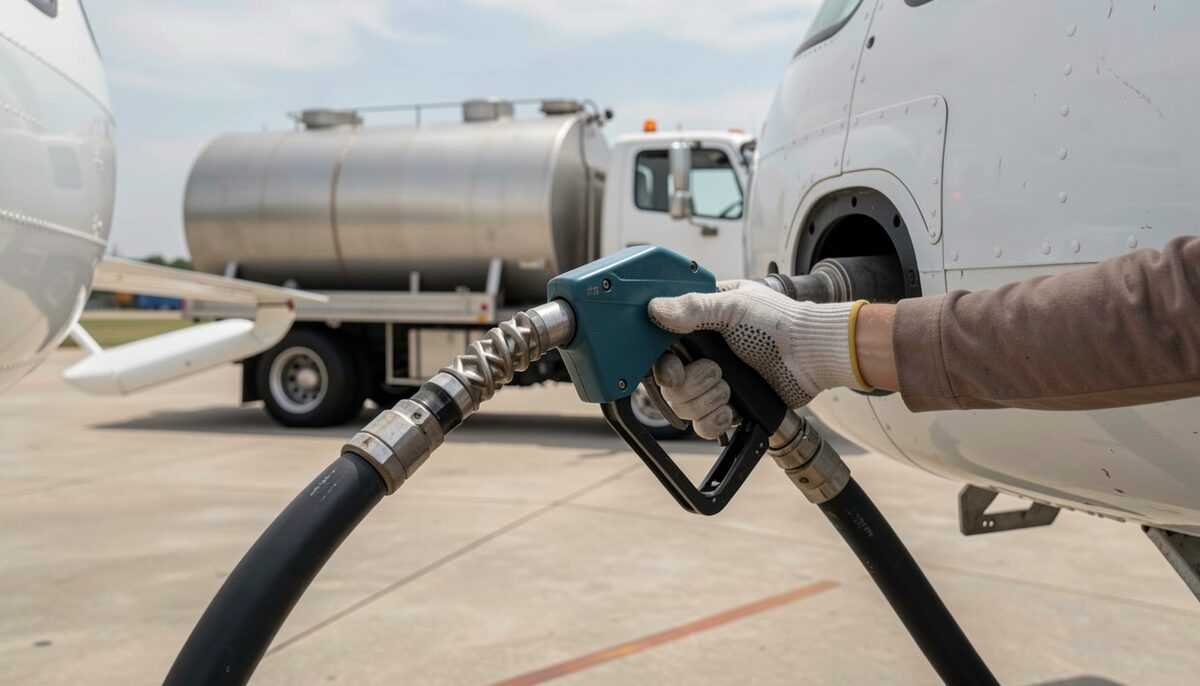
An aircraft spends most of its life on the ground, and the ground side has its own vocabulary. Five terms carry most of the weight, and each one belongs to a different part of the chain.
- FBO (fixed base operator)
- The business that runs the ground side of a general aviation field: fuel, parking, hangar space and line services, under an agreement with the airport sponsor.
- Repair station
- A shop that holds an approval allowing it to perform defined maintenance and return an aircraft to service. The approval describes the scope, not the reputation.
- 100LL
- The avgas grade most piston engines run on. It is a gasoline, and it belongs to a different family from turbine fuel.
- Jet A
- The turbine fuel family. It is delivered, stored and tested on its own chain, and it never enters a piston aircraft.
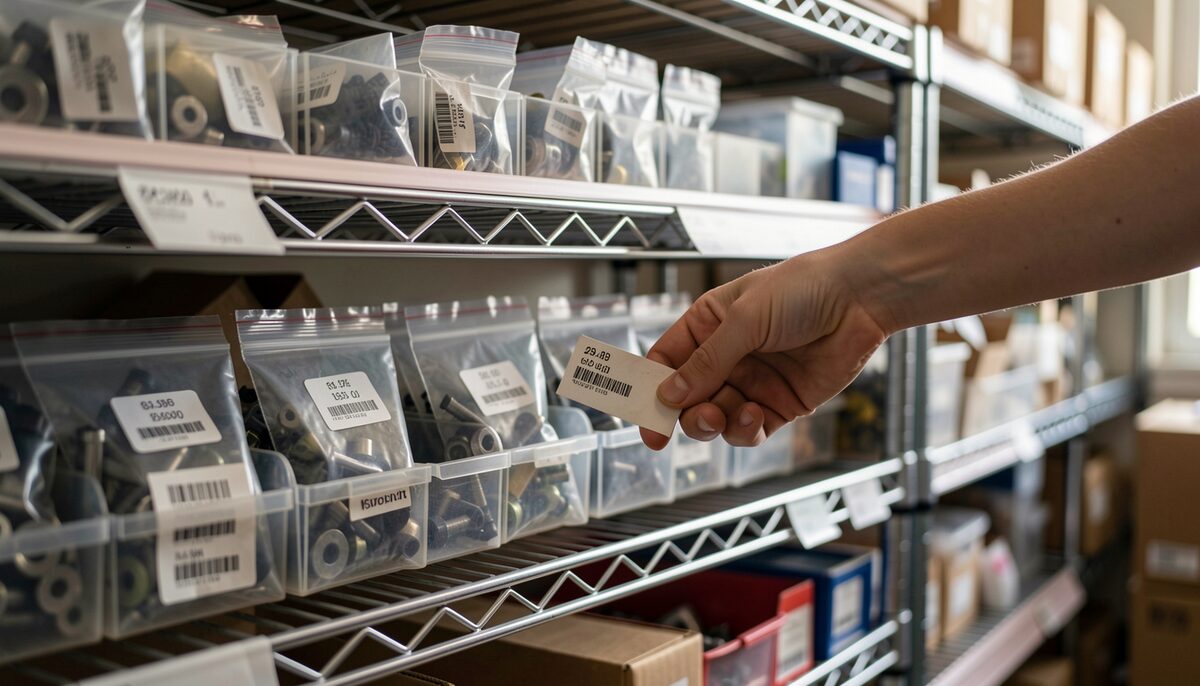
- 8130-3 tag
- The document that travels with a part and states where it came from and that it is approved for installation.

Who decides
04 The federal map: which body holds which rule
Four authorities reach an ordinary working day at a small field, and they do different jobs. Knowing which one holds a given rule is the difference between a useful question and a wasted phone call.

Who signs
05 The signature line: three documents that decide a career
Nothing in aviation is authorised until somebody signs. The three lines below show, for each large domain of the work, who holds that power and on what document it is exercised. The page on the right of each line takes the question further.
-
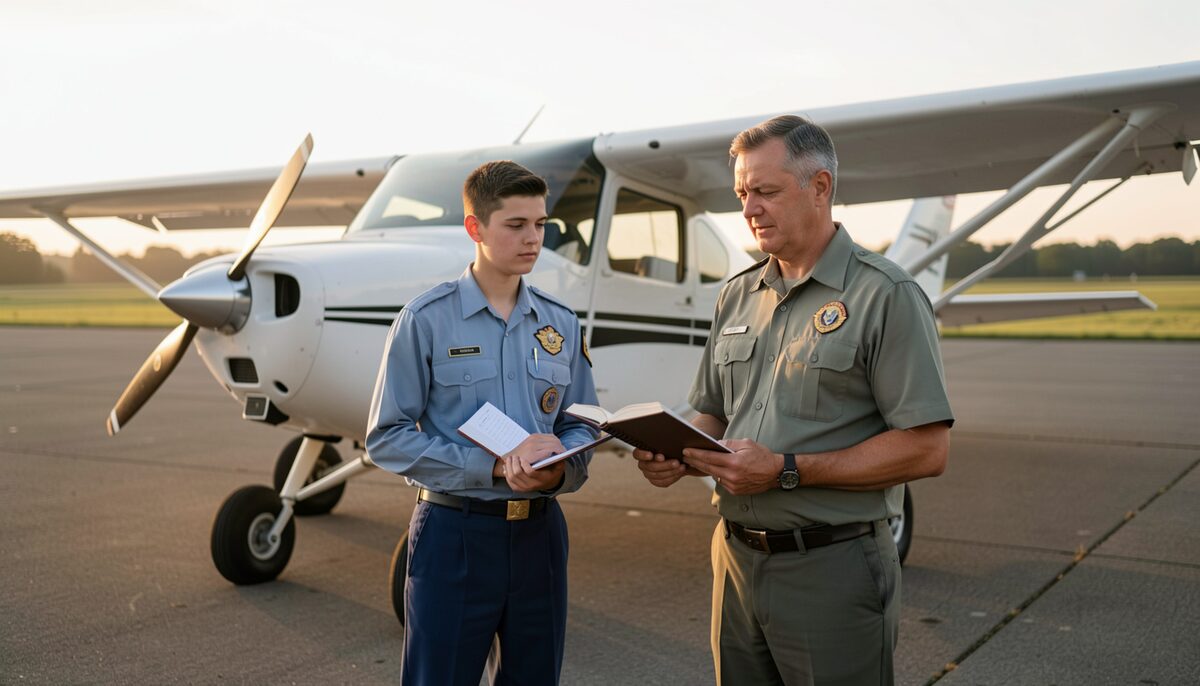
 Training: an instructor and a logbook A certificated flight instructor endorses the record; the certificate comes from the agency.
 -
Maintenance: a mechanic and a record entry A mechanic with inspection authorization signs the aircraft back into service.
-
 Operations: a director of operations and specifications The operator's named post-holders work inside a document issued to the company.


The pages
06 Every page on this site, with the date it was published
The list below is the whole site. Each entry carries its section, one line on what it answers, and the date it was published, so a reader can see what is recent and what has been standing for a while.
-
-

-

-
-
-

-

-

-
-
-

-

-

-

-
-

-

-

-

-
-
-



Where to go next
07 Where to continue
If you are choosing a route, start with the section page for careers and certificates. If you are checking a rule, start with the section page that gathers the federal programs.